Our Message

The Family Stability Initiative is a family-based, community-wide, long-term solution for children troubled by a broken family structure. Given the prevalence of family disruptions, it is crucial to implement strategies that empower families to create a loving and stable environment for their children. Whether there has been a disruption or not, family stability is pivotal in child development and preparing youth for adulthood. The Court intends to use the Initiative to teach values and principles that strengthen the family. When families thrive, children flourish.

Judge Steve and Ann McKinley

Judge Steve McKinley and the Richland County Juvenile Court intend to collaborate with families and community partners to model and teach the principles that support the Initiative’s vision and values. When the vision, values, and principles come to life, the Richland County Juvenile Court fulfills its ongoing mission of protecting the community, providing justice, and strengthening youth and families.

Our Principles

Tap to learn more

Click to learn more

We are all born under rules, including laws and moral principles that teach us how to get along with others. All of these set standards, create the framework for family and societal living, and are not merely something we establish on our own. This framework, along with love within the family, establishes boundaries for the parents and the developing child. Order is the result of families appreciating the boundaries set by rules, laws, and moral principles. By embracing these standards, families contribute to a peaceful, orderly society that protects individual rights and fulfills personal responsibilities.

Authority is essential in establishing order. Authority consists of the people who uphold the rules, laws, and moral principles that govern us. This hierarchy is naturally present in the home, with parents and caregivers holding the reins of authority. They are responsible for modeling and teaching rules of conduct, protecting their children, and providing for their needs. Children are to respect and adhere to their parents’ authority and guidance.
When the family unit deviates from this natural order, the family structure begins to break down. Parents may exhibit negative behaviors that their children may then imitate. Children may also become disobedient or delinquent as they look for love and acceptance in unhealthy ways. Children without respect for rules and authority may struggle academically, behaviorally, and socially. By adhering to the natural order in the home, children learn to respect rules and authority outside of the home.

Showing respect to others is a fundamental aspect of demonstrating honor. When parents not only speak but also act in a manner that respects each other, it can significantly strengthen the bond with their children. Parents who demonstrate honor build trust and lay a strong foundation for their children. As children learn about the importance of honor and witness their parents demonstrating this principle, they are more inclined to act honorably as well.

Justice within families is the principle that everyone should receive what they deserve. Fairness should guide family relationships. In terms of child development and justice, children require abundant love, protection, and guidance from both parents and/or caregivers. As dependents, they deserve a protective, nurturing, and responsible family.

Love expresses deep affection and care; however, it goes beyond words and emotions and involves kindness and selflessness. The love between family members is generous, forgiving, patient, and committed to building and maintaining strong, healthy relationships. By treating others how we want to be treated, love creates security and stability for youth within the family unit.

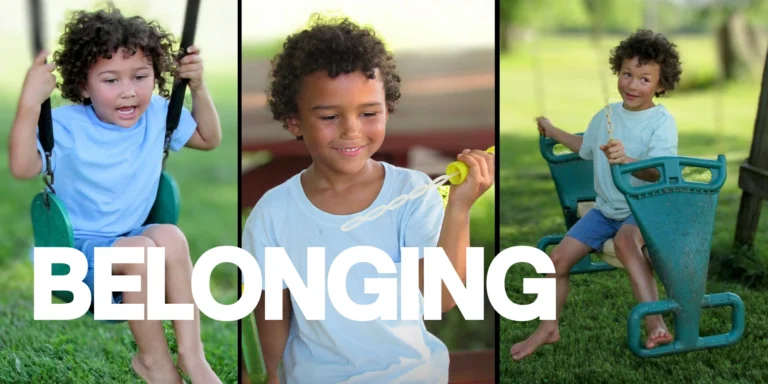
Youth flourish with a strong sense of belonging and attachment, typically to their parents or caregivers. Grandparents, relatives, and others may also play a significant role in developing a child’s sense of belonging.

A “warm and consistent relationship with a caregiver during childhood” is important to a child’s development. Secure attachments demonstrate to the child how to build healthy relationships and become successful adults and parents.

Everyone makes mistakes; they are unavoidable. Therefore, family members should offer grace to one another instead of being overly critical. However, this does not excuse repeated or willful mistakes. Our imperfections should motivate us to change our thinking and behavior.

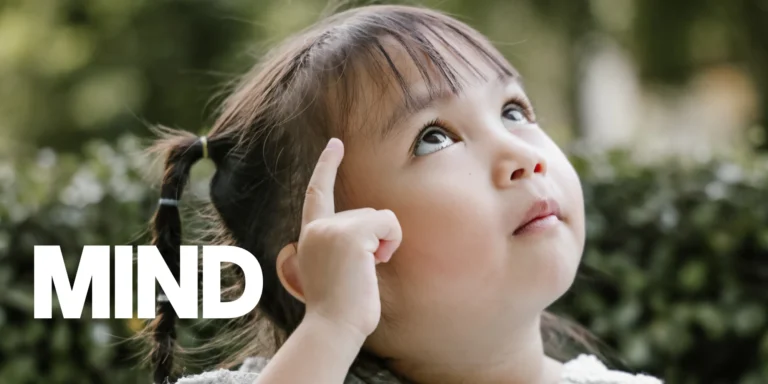
Maintaining the health of our mind is crucial. A healthy mindset safeguards us from adopting harmful ideas and images that can ultimately result in wrongful actions. The notion of “I can do whatever I want” or “I’m going to do whatever makes me happy” causes selfish behavior and harms family relationships. Mental fitness requires maintaining positive thoughts. A commitment to thinking honorable, just, and loving thoughts while identifying and addressing mental health concerns is essential to mental fitness.
Stable family environments significantly reduce the risk of the development of psychological disorders in children. The consistent emotional support and positive reinforcement of a stable family helps its members make good choices. 

All of the choices we make, either good or bad, contribute to the development of our character. Every individual must train their will to make good choices. The choice is between prioritizing education, employment, honor, justice, and love or succumbing instead to underachievement, self-centeredness, irresponsibility, and/or substance abuse. We cannot have it both ways; we will choose from one set of behaviors or the other. Children’s positive choices and peer selections ideally stem from a strong moral foundation built by their parents.
By setting a good example, parents or caregivers equip their children to withstand adverse outside influences. Setting a good example and providing good moral training are essential to helping youth overcome the tendency to give in to bad social pressure.  

True change is not merely external but is rather a transformation that begins within us. Behavioral change requires a change of heart. This desire to change empowers youth, parents, and families to realize their full potential. Voluntarily chosen religious and spiritual beliefs, wholeheartedly practiced, can have a significant impact on individuals, encouraging them to embrace change, seek redemption, and find hope.

We are all born under rules, including laws and moral principles that teach us how to get along with others. All of these set standards, create the framework for family and societal living, and are not merely something we establish on our own. This framework, along with love within the family, establishes boundaries for the parents and the developing child. Order is the result of families appreciating the boundaries set by rules, laws, and moral principles. By embracing these standards, families contribute to a peaceful, orderly society that protects individual rights and fulfills personal responsibilities.

Authority is essential in establishing order. Authority consists of the people who uphold the rules, laws, and moral principles that govern us. This hierarchy is naturally present in the home, with parents and caregivers holding the reins of authority. They are responsible for modeling and teaching rules of conduct, protecting their children, and providing for their needs. Children are to respect and adhere to their parents’ authority and guidance.
When the family unit deviates from this natural order, the family structure begins to break down. Parents may exhibit negative behaviors that their children may then imitate. Children may also become disobedient or delinquent as they look for love and acceptance in unhealthy ways. Children without respect for rules and authority may struggle academically, behaviorally, and socially. By adhering to the natural order in the home, children learn to respect rules and authority outside of the home.

Showing respect to others is a fundamental aspect of demonstrating honor. When parents not only speak but also act in a manner that respects each other, it can significantly strengthen the bond with their children. Parents who demonstrate honor build trust and lay a strong foundation for their children. As children learn about the importance of honor and witness their parents demonstrating this principle, they are more inclined to act honorably as well.

Justice within families is the principle that everyone should receive what they deserve. Fairness should guide family relationships. In terms of child development and justice, children require abundant love, protection, and guidance from both parents and/or caregivers. As dependents, they deserve a protective, nurturing, and responsible family.

Love expresses deep affection and care; however, it goes beyond words and emotions and involves kindness and selflessness. The love between family members is generous, forgiving, patient, and committed to building and maintaining strong, healthy relationships. By treating others how we want to be treated, love creates security and stability for youth within the family unit.

Youth flourish with a strong sense of belonging and attachment, typically to their parents or caregivers. Grandparents, relatives, and others may also play a significant role in developing a child’s sense of belonging.

A “warm and consistent relationship with a caregiver during childhood” is important to a child’s development. Secure attachments demonstrate to the child how to build healthy relationships and become successful adults and parents.

Everyone makes mistakes; they are unavoidable. Therefore, family members should offer grace to one another instead of being overly critical. However, this does not excuse repeated or willful mistakes. Our imperfections should motivate us to change our thinking and behavior.

Maintaining the health of our mind is crucial. A healthy mindset safeguards us from adopting harmful ideas and images that can ultimately result in wrongful actions. The notion of “I can do whatever I want” or “I’m going to do whatever makes me happy” causes selfish behavior and harms family relationships. Mental fitness requires maintaining positive thoughts. A commitment to thinking honorable, just, and loving thoughts while identifying and addressing mental health concerns is essential to mental fitness.
Stable family environments significantly reduce the risk of the development of psychological disorders in children. The consistent emotional support and positive reinforcement of a stable family helps its members make good choices. 

All of the choices we make, either good or bad, contribute to the development of our character. Every individual must train their will to make good choices. The choice is between prioritizing education, employment, honor, justice, and love or succumbing instead to underachievement, self-centeredness, irresponsibility, and/or substance abuse. We cannot have it both ways; we will choose from one set of behaviors or the other. Children’s positive choices and peer selections ideally stem from a strong moral foundation built by their parents.
By setting a good example, parents or caregivers equip their children to withstand adverse outside influences. Setting a good example and providing good moral training are essential to helping youth overcome the tendency to give in to bad social pressure.  

True change is not merely external but is rather a transformation that begins within us. Behavioral change requires a change of heart. This desire to change empowers youth, parents, and families to realize their full potential. Voluntarily chosen religious and spiritual beliefs, wholeheartedly practiced, can have a significant impact on individuals, encouraging them to embrace change, seek redemption, and find hope.

Our Connection

The commitment to these principles can significantly strengthen a family structure. They empower youth by strengthening a family structure of love and stability. When families choose to adopt the Initiative’s principles, children will grow into adults who possess the values and principles necessary to be productive and law-abiding citizens. Youth are more likely to be educated, employed, and equipped for successful adult relationships and potential parenthood when the family structure is stable. With families strengthened by love and stability, communities can expect reduced crime rates because a stronger family structure supports a safer community.

Our Goals

Completed Child Development

Strengthening love and stability within a family structure contributes to a child’s complete development. It helps to cultivate self-awareness, self-respect, form stronger relationships, and improve a child’s academic and work performance.

Generational Change

Embracing and implementing the values and principles of the Initiative helps create a legacy of love and stability for future generations. Children raised in stable environments are more likely to become committed parents themselves, perpetuating a cycle of love and stability. Youth and parents committed to these principles are also more likely to provide a solid financial foundation for their families.

Generational Change

Embracing and implementing the values and principles of the Initiative helps create a legacy of love and stability for future generations. Children raised in stable environments are more likely to become committed parents themselves, perpetuating a cycle of love and stability. Youth and parents committed to these principles are also more likely to provide a solid financial foundation for their families.

Community Transformation

Families with love and stability nurture young people, helping them grow into responsible and involved members of society who invest in their community. Stable families are essential to youth growing up feeling secure, ultimately keeping our community safe.

Our Contact

Together we can build

Phone Number

(419) 774 - 5578

Address

411 South Diamond Street Mansfield, OH 44901

Email

court@rcjcoh.us